datacenterpower – Power supply for data centres

For energy companies

You want to grow revenue.

At midday your plant delivers the most – and the power is increasingly worth next to nothing.

You own or develop solar, wind or battery storage assets and want additional revenue from data centres as customers. As a commercial agent we broker your equipment to operators who need capacity now.

Win data centres as customers

For data centre operators

You need power.

Your servers are ready – but the grid connection can keep you waiting for years, and power is expensive.

Your site or expansion needs capacity, and the grid connection comes too late or too small. We broker solar, storage and on-site generation equipment that gets your project powered sooner.

Tell us your need

Two sides, one problem

Data centres need power, energy companies need buyers. That the two do not find each other costs both sides money and time.

Energy companies

Your plant is running – and earning less and less.

When the sun shines, everyone feeds in at once. The oversupply pushes the price down in exactly the hours when your plant delivers the most. Experts call this cannibalisation: every additional solar plant makes the power of all the others worth less, including yours.

573 hours

with negative exchange power prices in Germany in 2025, a record. In 2024 there were 457.

Zero payment

under the EEG for new solar and wind plants since February 2025 while the exchange price is negative.

A data centre nearby needs power, hour after hour. It can take up part of that surplus – if someone makes the introduction.

Data centre operators

Your servers are ready – the power is not.

You have customers, hardware and capital. What is missing is the grid connection. Every month of waiting is a month in which invested capital earns nothing. And when the power finally flows, it is among the more expensive in Europe.

7–10 years

is the wait for a grid connection that industry sources report for German hubs such as Frankfurt or Munich, up to 13 years in extreme cases.

Location disadvantage

High power prices have long been seen as a competitive disadvantage for data centres in Germany.

Anyone who finds solar, wind or storage nearby can cover at least part of their demand sooner. We make the introduction.

This is where datacenterpower comes in.

Sources for this section
  1. ZfK (2026): 2025 – Strom war im Einkauf teuer, dabei gab es mehr negative Preisstunden
  2. Grant Thornton (2025): Wirtschaftliche Auswirkungen des Solarspitzengesetzes
  3. solarzubau.de: § 51 EEG – Nullvergütung bei negativen Strompreisen
  4. Next Kraftwerke (2026): Strommarkt im Februar 2026
  5. ZfK (2026): „PV speist genau dann ein, wenn der Preis kippt“
  6. ZfK (2025): Rechenzentren – Deutschlands Stromnetze werden zum Problem
  7. JLL (2026): Die neue Geografie des Rechenzentrumsmarktes in Deutschland
  8. eco – Verband der Internetwirtschaft (2025, Advertorial im Handelsblatt): Rechenzentren sichern Deutschlands digitale Souveränität
  9. CMS (2026): Strom entscheidet über Rechenzentren
  10. Bitkom: Deutsche Rechenzentren haben höchste Stromkosten in Europa
  11. IT-Business: Energiepreise belasten Datacenter, KI und Automatisierung

How we get power to the data centre

Grid Solar Storage On-site generation Data centre See all services

Services

Datacenterpower brokers between data centres and suppliers of energy equipment. Knowledge of grids and regulation goes into every deal, so equipment and site fit together.

  • Solar and battery storage

    Find suitable suppliers of solar and storage for the data centre site, obtain comparable offers and support negotiations through to signing.

    Result: A ready-to-sign offer from a suitable supplier.

  • On-site generation equipment

    Gas engines, biogas plants or fuel cells that cover peaks or bridge the time until the full grid connection is available. Brokering between operator and manufacturer.

    Result: Contact with the right manufacturer and a comparable offer.

  • Sales representation for suppliers

    For manufacturers and energy companies: representation towards data centre operators and developers. Identify target customers and decision-makers, hold conversations, broker deals.

    Result: Qualified contacts and brokered orders.

  • Market and regulatory knowledge

    Grid connection, Germany's Energy Efficiency Act (EnEfG) and EU reporting obligations: this knowledge goes into every deal so offers fit the site's situation.

    Result: Offers that fit the site.

How we work together

Process for energy companies

  1. Intro callClarify the company's goals and framework conditions.
  2. Site analysisAssess generation potential at different sites: do existing plots suit solar, wind and battery storage for data centres to locate nearby? For uninterruptible supply, power plants running on renewable gases or biomass are a further option.
  3. Target outreachDetermine which data centre types fit your own sites and approach developers and operators directly – or win existing data centres for a further build-out of solar, wind and other renewable generation.
  4. ClosingSupport negotiations, broker the contract.

Process for data centre operators

  1. Intro callClarify needs and timeline. Afterwards it is clear whether brokering makes sense.
  2. NeedsCapture load profile, site and grid situation.
  3. SuppliersApproach suitable suppliers, obtain and compare offers.
  4. ClosingSupport negotiations, broker the contract.
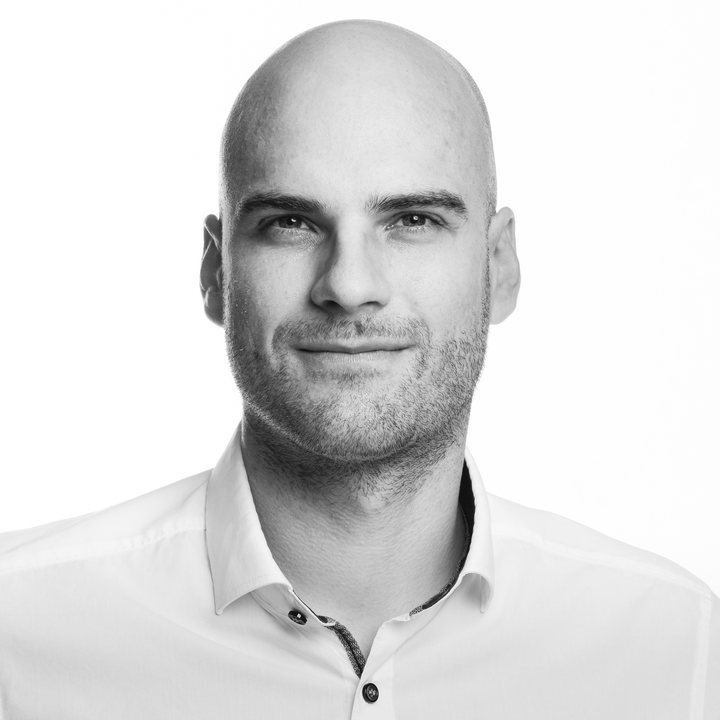
Portrait of Andreas C. Meltzer
Photo: © Michael Ferlin-Fiedler, fiedlerphoto.com

About us

Andreas C. Meltzer, MSc
Founder of datacenterpower

Andreas C. Meltzer combines energy system analysis with project and sales practice. As a senior consultant he supported renewable energy and datacenter projects. Before that he spent several years in research at the Joanneum Research-LIFE institute for climate, energy systems and society.

His network spans data centre operators, developers and energy companies. That is where datacenterpower comes in: getting power to the data centre on time, at a sensible cost and as renewable as possible.

Education
MSc Industrial Ecology, University of Graz
Bachelor in Environmental Systems Sciences (Graz, Leoben, Eindhoven)
Certifications
Professional Scrum Master I
Professional Scrum Product Owner I
Focus
Power supply for data centres, renewable generation and storage, business cases
Location
Graz, Austria. Working across Europe.

Experience from practice

From my time as a senior consultant at Decision Advisory Group. A selection, summarised and without client names.

Data centre on a brownfield site with a digital park

Project development and optimisation of the business case. This covered using waste heat in the city heating network and in the digital park, analysing balancing power, setting up the project and contract structure, and calculating transfer prices.

Data centres in district heating networks

Economic assessment from a municipality's point of view: heat load curve, heat demand forecast, investment and decommissioning plans for existing assets, and the added value of a data centre as an extra heat source.

Site assessment from an energy perspective

Assessing the siting of a data centre whose waste heat is meant to supply local industry and district heating: site analysis, demand from local industry, economics of heat pumps and municipal demand.

What I take from this: organising complex projects with many stakeholders, running business cases through scenarios and assessing energy solutions economically. That knowledge goes into every deal I broker.

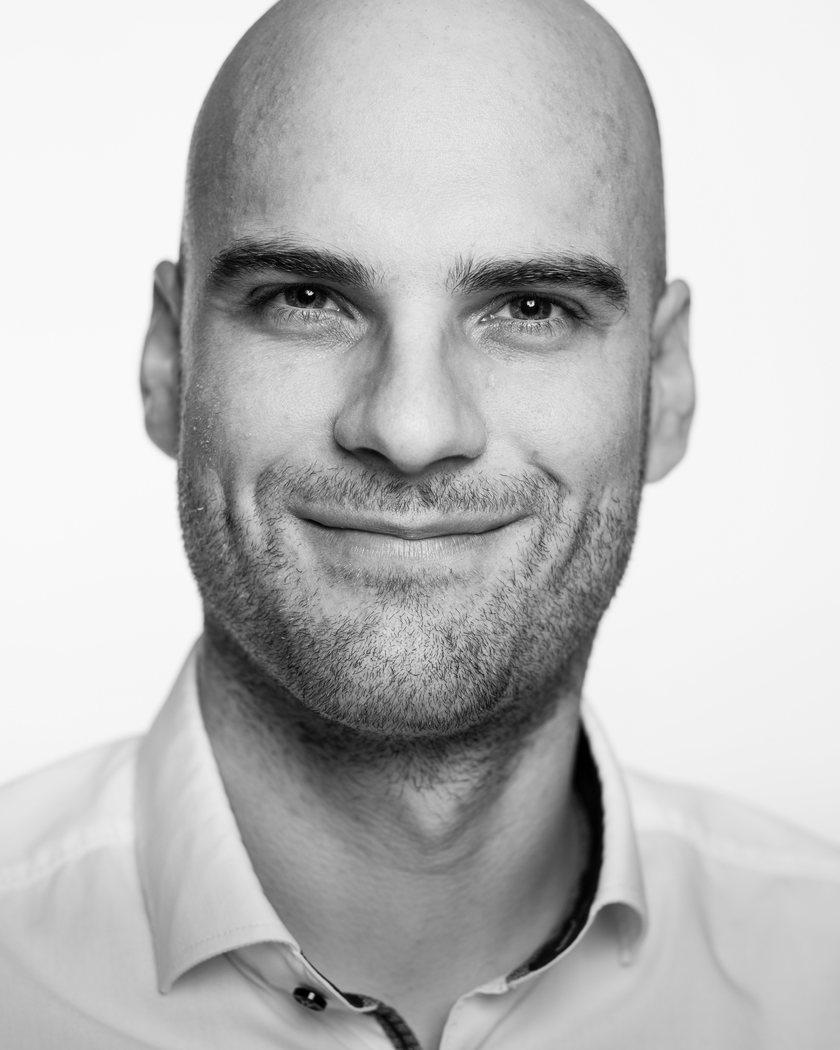
Portrait of Andreas C. Meltzer
Photo: © Michael Ferlin-Fiedler, fiedlerphoto.com

Short interview

Five questions to Andreas Meltzer, founder of datacenterpower – and his answers to typical customer questions.

  • Why is a broker needed between energy companies and data centres at all?

    Andreas Meltzer: Because the two sides rarely talk to each other. Energy companies know their plants and sites, operators know their capacity needs. Nobody speaks both languages and opens the conversations. I come from energy system analysis and project practice. That saves both sides time they do not have.

  • Can I get power sooner with your help?

    Andreas Meltzer: I cannot speed up a grid connection, and I do not give time guarantees. What I can do is broker options that get a site at least partly powered sooner, for example solar with storage or on-site generation as a bridge. What is realistic depends on the site, the grid situation and permits.

  • What does it cost me?

    Andreas Meltzer: The intro call is free of charge. Depending on your needs, I prepare a tailored offer that addresses your individual requirements.

  • I run solar plants and earn less and less at midday. How does a data centre help me?

    Andreas Meltzer: A data centre needs power hour after hour, even when the exchange price falls at midday. If it sits close to your plant, part of the power can be used right there instead of going into the grid during oversupply. With storage, the midday surplus can be shifted into the evening. Whether this pays off depends on the case. I do not promise revenue, but I make the introduction and structure the conversation.

  • What does the intro call involve, and what should I prepare?

    Andreas Meltzer: We clarify goals, timeline and framework conditions. As an operator you bring a rough idea of site, capacity need and timeline, as an energy company your plants or sites. Afterwards it is clear whether working together makes sense for both sides.

Contact

Planning a data centre or an expansion, or entering this market as an energy company? Write a few lines about your project and let's set up an intro call.

Send an e-mail

Blog

Perspectives on power, grids and regulation for data centres – to keep you up to date.

  1. The grid connection decides the site

    Power demand from data centres is growing faster than the grids. What that means for site selection and supply concepts.

    Read postClose post

    The International Energy Agency (IEA) estimates that data centres worldwide used around 415 TWh of electricity in 2024, about 1.5% of global consumption. It expects that figure to more than double by 2030, driven mainly by AI.

    The real problem is less the volume than the location. Under the principle of “data gravity”, data attracts further data and applications. That is one reason why data centres cluster in a few regions and need a lot of capacity there at once. A data centre can be built in one to two years; grid expansion takes much longer. At European hotspots, multi-year waits for large grid connections are therefore not unusual. In Dublin, new connections for data centres were effectively halted from late 2021, and in the Netherlands new hyperscale data centres are restricted in many locations. In German hubs such as Frankfurt or Munich, operators according to industry estimates often wait seven to ten years for a grid connection, and up to 13 years in extreme cases.

    Three levers for earlier power

    • Site selection: secure regions with spare grid capacity early.
    • Flexible connection agreements: the operator accepts reduced capacity during grid congestion and gets connected sooner in return.
    • On-site generation and storage: covering peaks or bridging the time until the full grid connection is available.

    Which combination fits depends on load profile, site and schedule. That question should be answered before significant money goes into a site.

    Sources

    1. IEA (2025): Energy and AI – Executive summary
    2. S&P Global (2025): Global data center power demand to double by 2030 on AI surge: IEA
    3. IEA: Overcoming energy constraints is key to delivering on Europe's data centre goals
    4. Agora Energiewende (2026): Easing data centre integration in Europe
    5. DatacenterDynamics: Nordics and southern Europe to see 110% data center demand growth by 2030
    6. DatacenterDynamics: Dublin and data centers – the end of the road?
    7. Data Center Frontier: Power Crunch – Dublin Grapples With Cloud Growth, Utility Constraints
    8. Enlit World (2024): Data centres' energy demand is increasing finds IEA
    9. ZfK (2025): Rechenzentren – Deutschlands Stromnetze werden zum Problem
    10. JLL (2026): Die neue Geografie des Rechenzentrumsmarktes in Deutschland
    11. eco – Verband der Internetwirtschaft (2025, Advertorial im Handelsblatt): Rechenzentren sichern Deutschlands digitale Souveränität
    12. ComputerWeekly: Data Gravity – Was es ist und wie Sie damit umgehen
    13. Rackspace: Vermeiden Sie die Fallstricke von Datengravitation
  2. Germany's EnEfG amendment: what applies to data centres and what may change

    Germany plans to push its 100% renewable power requirement for data centres from 2027 to 2030. It has not been adopted yet.

    Read postClose post

    On 24 June 2026 the German cabinet approved an amendment to the Energy Efficiency Act (EnEfG). The draft was scheduled for its first reading in the Bundestag on 24 September 2026 and is then to be discussed further in the committee for economic affairs and energy. Until it is promulgated, the current act applies.

    What applies today

    Since 1 January 2024, operators must cover 50% of their electricity consumption with renewable power on a balance-sheet basis, rising to 100% from 1 January 2027.

    What the draft would change

    • The 100% requirement would move to 1 January 2030; until then the 50% share would remain.
    • PUE limits for existing data centres would be relaxed: 1.6 instead of 1.5 from July 2027, and 1.4 instead of 1.3 from July 2030.

    What this means in practice

    Anyone planning power procurement for 2027 should model both scenarios and structure contracts so they can adapt to whichever share applies. The draft may still change during the parliamentary process.

    As of 24 September 2026. This post is technical guidance, not legal advice. Most sources are in German.

    Sources

    1. Deutscher Bundestag (2026): Beschleunigte Umsetzung der Energieeffizienzrichtlinie
    2. DENEFF (24.09.2026): Energieeffizienzgesetz – Kompromissvorschläge zur ersten Lesung
    3. Bundesregierung (24.06.2026): Weniger Bürokratie, mehr Energieeffizienz
    4. CMS (2026): EnEfG-Novelle bringt Entlastung für Rechenzentren
    5. FPS (2026): EnEfG-Novelle 2026 – Was der Kabinettsbeschluss für Rechenzentren bedeutet
    6. Grant Thornton (2026): Novelle Energieeffizienzgesetz und Energiedienstleistungsgesetz
    7. Energie und Recht (2026): EnEfG-Novelle 2026 – Erleichterungen für Rechenzentren im Überblick
    8. § 11 EnEfG, geltende Fassung (gesetze-im-internet.de)
    9. JLL (2025): Energieversorgung für Rechenzentren – Ausblick 2025
  3. The EU data centre database: reporting from 500 kW

    Larger data centres report their key figures to a European database every year. Next, the European Commission is preparing a label.

    Read postClose post

    The EU Energy Efficiency Directive (Directive 2023/1791) requires operators of data centres with an installed IT power demand of at least 500 kW to report key figures to a European database every year, either directly or via national bodies. The data required is set out in Delegated Regulation (EU) 2024/1364 and includes energy and water use and the reuse of waste heat. Reports are due by 15 May each year.

    As a next step, the European Commission is working on a rating scheme with an electronic label for every reported data centre. A draft was put out for consultation in 2026. Based on the sources reviewed here (September 2026), the label has not yet been adopted.

    Why this matters for power supply

    The reported figures make the efficiency and energy use of data centres comparable. Anyone planning a supply concept with on-site generation, storage or waste-heat reuse should take these indicators into account from the start.

    This post is technical guidance, not legal advice. National implementation differs by country.

    Sources

    1. Swedish Energy Agency: Data centre energy performance reporting
    2. Government of Ireland: Data Centre Energy and Sustainability Performance Reporting Obligations
    3. DLA Piper (2026): EU Commission proposes new data centre sustainability rating label
    4. Arthur Cox (2026): Data centres – EU consults on regulation for rating sustainability
    5. Linklaters (2026): Sustainability labelling for European data centres